Worldview of Culture and Welfare
Health and Welfare
The Ministry of Health and Social Welfare handles the majority of health care within Poland. Despite the large number of publicly funded institutions, there has been an increasing number of privatized practices after the fall of Communism. Under the previously communist institution, all workers and members of their families received free health care services.
Housing
Prior to the fall of Communism, local government authorities operated the vast majority of housing complexes. An influx of migrant workers created much more demand for housing then what local governments were able to supply. As a result, the living conditions of the average household were not adequate for residents. Once Communism fell, the housing industry became largely privatized
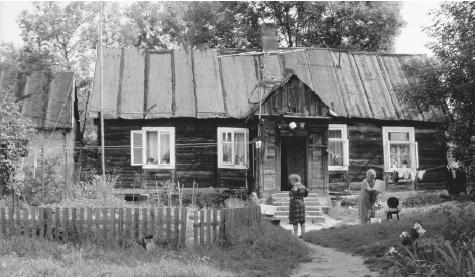
The typical Polish family structure is patriarchal, making the father the head of the household. This societal norm can even be seen in the youth of the country; boys often being seen as full of potential and women looked upon as future wives. The homes followed close traditions for weddings, funerals, and religion since Poland being a largely Catholic nation.
Education
Working under the Ministry of National Education, schools of all types and levels were free to the public. The education system offered vocational education, technical training, and college preparatory education. Schooling age ranged from 7 to 18 years old as students attended primary and secondary school. A large number of private education institutions arose during the 1980s and ’90s.
 Poland's Use of Food on Health and Disease